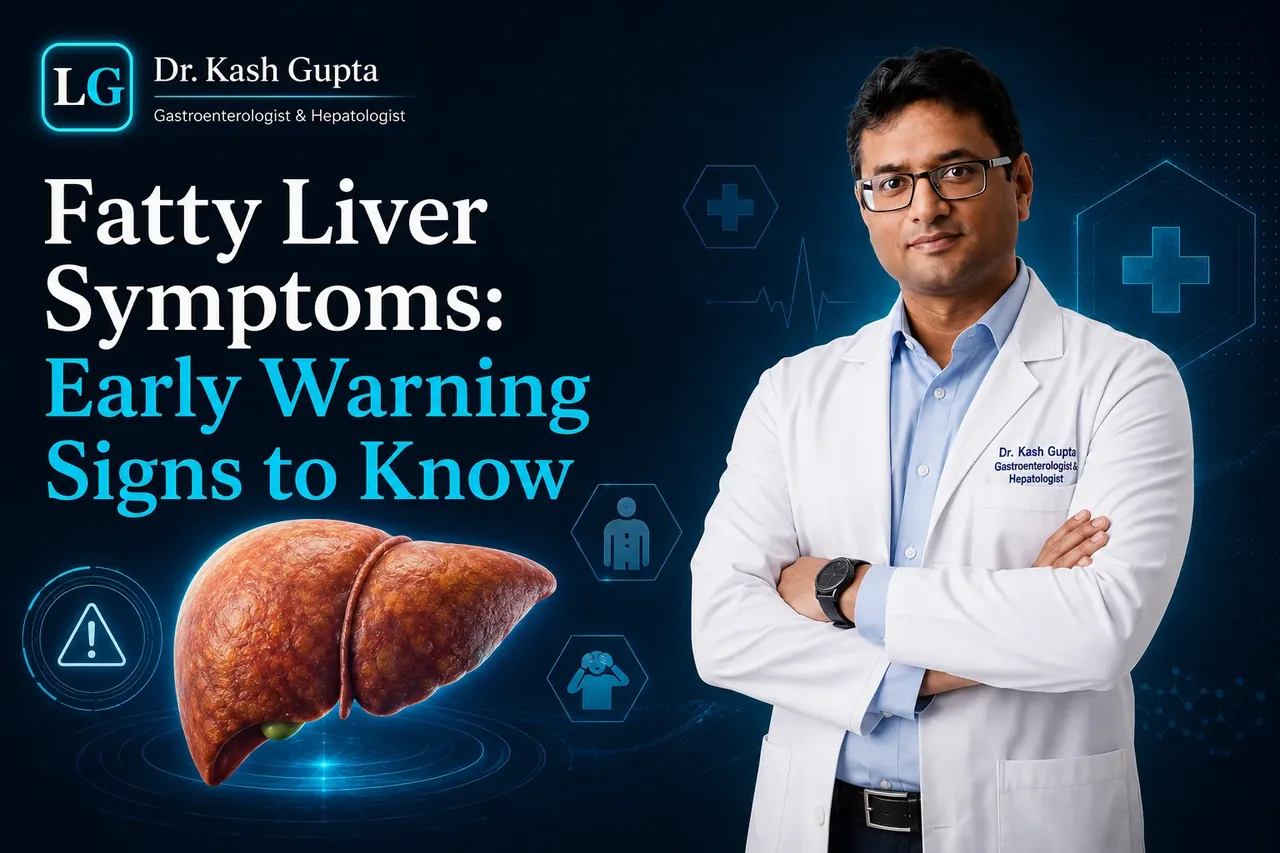
I see fatty liver in the clinic almost every week. And there’s one thing that keeps striking me. Most people never notice fatty liver symptoms until the disease has already been progressing quietly for years. Your liver isn’t like a sore knee or a bad back. It doesn’t complain. It just gets on with absorbing the damage until something finally forces you to pay attention. So in this post, I want to walk you through the early signs your body might already be giving you, why they’re so easy to brush off, and what’s worth doing if any of this sounds familiar.
Why Fatty Liver Stays Silent for So Long
Here’s something most people don’t realise. The liver barely has any pain receptors. It can carry extra fat, become inflamed, even start scarring, and still not send you a clear signal.
That’s really why fatty liver gets called a “silent” condition. I can’t tell you how many patients sit across from me, genuinely stunned, when a routine blood test or scan turns up fat in the liver they had no clue about. One patient of mine told me she just felt she was “getting older.” Tired all the time, a little heavier around the middle. Turned out it was fatty liver the whole time, something I unpacked further in my piece on symptoms of fatty liver and when to seek medical advice.
Common Fatty Liver Symptoms to Watch For
Early on, fatty liver often shows nothing at all. But as fat builds up and inflammation creeps in, certain patterns tend to show up. These are the things I personally ask my patients about.
1. Persistent Fatigue
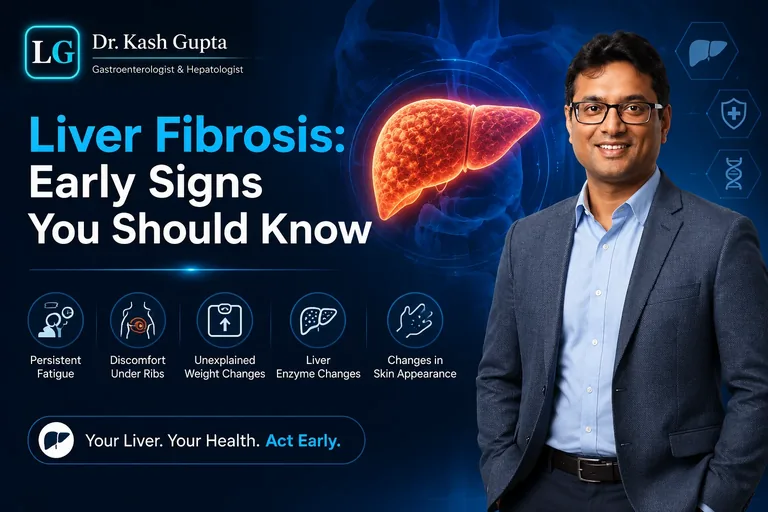
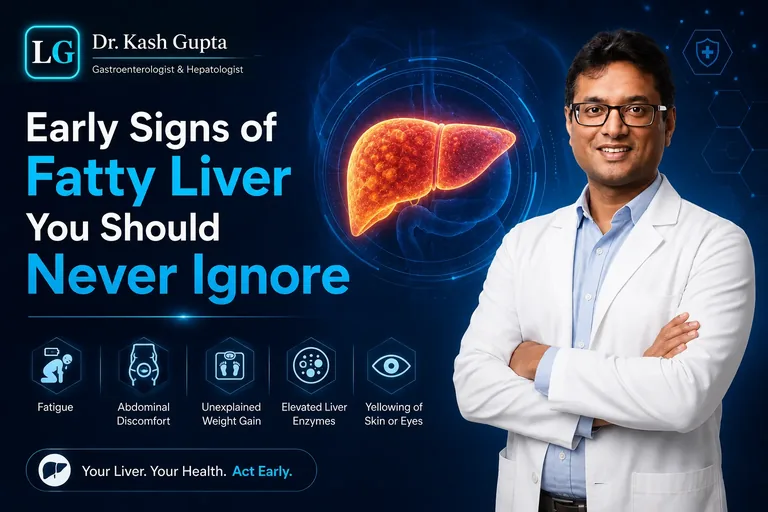
Not the kind a good night’s sleep clears up. This is heavier. A dragging tiredness that follows you through the whole day, even when you’ve technically rested enough. Patients often tell me they feel foggy by early afternoon, like they’re wading through something. Makes sense, really. A stressed liver has to work harder just to process toxins and keep blood sugar steady, and that extra effort tends to show up as exhaustion.
2. Discomfort Under the Right Ribs
Your liver sits right beneath your right rib cage. As it swells with fat, some people notice a dull ache there, or just a sense of fullness. It’s rarely sharp. Most describe it as pressure more than actual pain, which is exactly why it gets mistaken for bloating, or even a pulled muscle.
3. Unexplained Weight Changes
Fat gathering around the belly is one of the clearest visual clues I look for. Abdominal fat and liver fat tend to move together, both tied back to insulin resistance. In more advanced cases, I sometimes see the opposite too. Weight loss, unintentional, as the liver starts struggling to process nutrients the way it should.
4. Loss of Appetite or Mild Nausea
Some patients just feel “off” around mealtimes. Less hungry than usual. A bit queasy after anything fatty. This tracks, because a liver under strain produces bile less efficiently, and meals start feeling heavier than they used to.
5. Bloating and Digestive Discomfort
The gut and liver are more connected than most people assume. Patients almost always blame their gut alone, especially when they’ve already been told it’s IBS or something similar. If your digestion has never quite settled despite trying everything, it’s worth reading how I break down IBD vs IBS, since the overlap in symptoms trips a lot of people up.
6. Yellowing of Skin or Eyes
This one’s later-stage, and it always needs urgent attention. Jaundice happens when the liver can no longer clear bilirubin the way it should. If you notice this, don’t sit on it or wait for your next scheduled appointment. Get it looked at.
7. Unusual Bruising or Spider Veins
Less common early on, but still worth mentioning. Small web-like blood vessels, or bruising that seems to happen too easily, can mean the liver is struggling to produce clotting proteins normally. I usually see this alongside other, more advanced signs, rarely on its own.
If two or three of these sound familiar together, it doesn’t automatically mean you have fatty liver disease. But it’s reason enough to get checked, especially if any risk factors apply to you too.
Who’s Most at Risk
I see certain patterns repeat constantly in clinic. You may be at higher risk if you’re dealing with:
- Excess weight, particularly around the abdomen
- Type 2 diabetes or insulin resistance
- High cholesterol or triglycerides
- A mostly sedentary lifestyle
- A diet heavy in processed food and added sugar
- Regular or heavy alcohol use
- A family history of liver disease
The diabetes connection especially catches people off guard. I’ve written more on that link in liver and diabetes: understanding the connection, because the two conditions tend to feed into each other more than people expect.
Why Catching It Early Actually Matters
Here’s what I tell every single patient. Fatty liver, caught early, is often reversible. Left alone, it can move from simple fat buildup to inflammation, and eventually to scarring that’s far harder to undo. If you want the fuller picture of how this staging works, I go through it in MAFLD disease: everything you need to know.
That progression can take years. Sometimes decades. Which is exactly why you have a real window to change course before anything becomes permanent.
How It’s Diagnosed
If any of this feels familiar, diagnosis usually starts simply enough:
- Blood tests to check liver enzymes and metabolic markers
- Ultrasound imaging, usually the first step
- FibroScan or elastography to measure liver stiffness
- Liver biopsy, kept for unclear or more advanced cases
I always tell people, don’t wait for fatty liver symptoms before getting a liver panel done, especially if you fall into a higher-risk group. So many of my patients had no real complaints at all. Their bloodwork told the story before they did.
What You Can Do Starting Today
Honestly, this is the part of my job I enjoy most. Telling people that lifestyle changes genuinely work here.
- Lose even 5–10% of your body weight
- Cut back on added sugar and refined carbs
- Move your body most days, even just walking helps
- Limit or cut out alcohol altogether
- Prioritise sleep and manage stress properly
- Get regular check-ups if you’re managing diabetes or obesity
If you want something more structured to follow, I actually laid out a full 7-day meal plan for fatty liver, with exactly what to eat and what to skip. And if you’re wondering whether supplements are worth adding on top, I covered that honestly in best fatty liver supplements: do they really help liver health.
None of this needs to be perfect. Small, steady habits beat dramatic short-term fixes almost every time.
When to See a Doctor
If you’re dealing with ongoing fatigue, discomfort under your right ribs, or a mix of the signs above, don’t just wait it out. A simple blood test can bring real clarity fast. I’d always rather see someone early with mild concerns than later, once things have progressed further than they needed to.
Final Thoughts
Your liver rarely asks for help directly. That’s exactly why recognising fatty liver symptoms early matters so much. Fatigue, discomfort under your ribs, digestive changes- these small signals are worth listening to, particularly if any risk factors apply to you. Catch it early, and there’s genuinely a lot you can still do to protect your liver for the long haul.
If you’d like to understand your gut-liver health on a deeper level, I unpack these topics regularly on the Liver & Guts Podcast– real research, explained the way I’d explain it to a patient. And if you’d like a personalised look at your own liver health, you’re welcome to book a private consultation with me directly. Your liver has been quietly working for you your whole life. It’s worth giving it some attention back.