One patient told me she felt she was simply “getting older. She was tired all the time, with a slight ache in her ribcage that had become unnoticeable, and a weight that she couldn’t seem to move, no matter what. She wasn’t lazy or daydreaming. Her liver was clinging to fat that it was not supposed to be clinging to. That is more common than you think, and I am going to attempt to sit down and truly write about what it feels like and when it is worth being concerned about the symptoms of fatty liver.
What’s Actually Going On?
Your liver should contain a little fat. That’s completely normal. When fat accumulates to about 5-10% of the weight of the liver, things change. From there, the liver can become inflamed, and if the inflammation persists long enough, it begins to scar liver tissue.
This tends to go two ways:
- metabolic-associated fatty liver (typically associated with obesity, insulin resistance,
- elevated cholesterol) and alcohol-related fatty liver (after decades of heavier drinking).
I’ve spent a lot of time unpacking both of these on my podcast, mostly because I think people deserve more than a surface-level explanation.
The Symptoms Nobody Really Notices at First
Here’s the honest truth. Early on, fatty liver doesn’t feel like a liver problem at all. It just feels like life is a bit harder than usual.
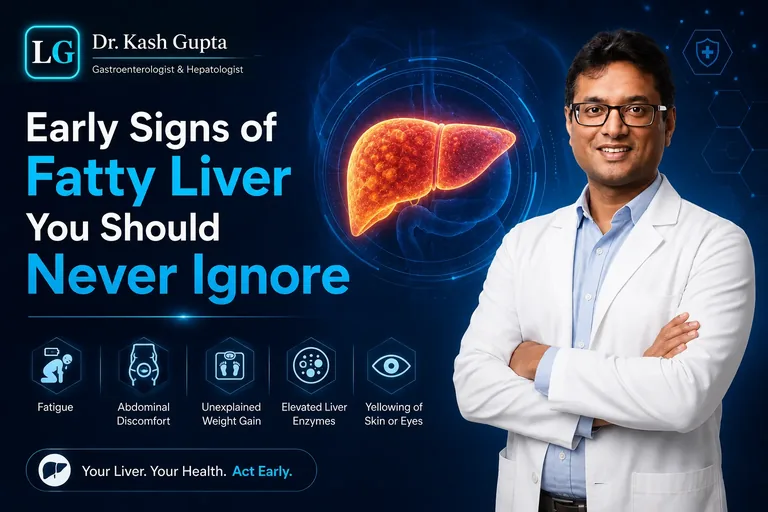
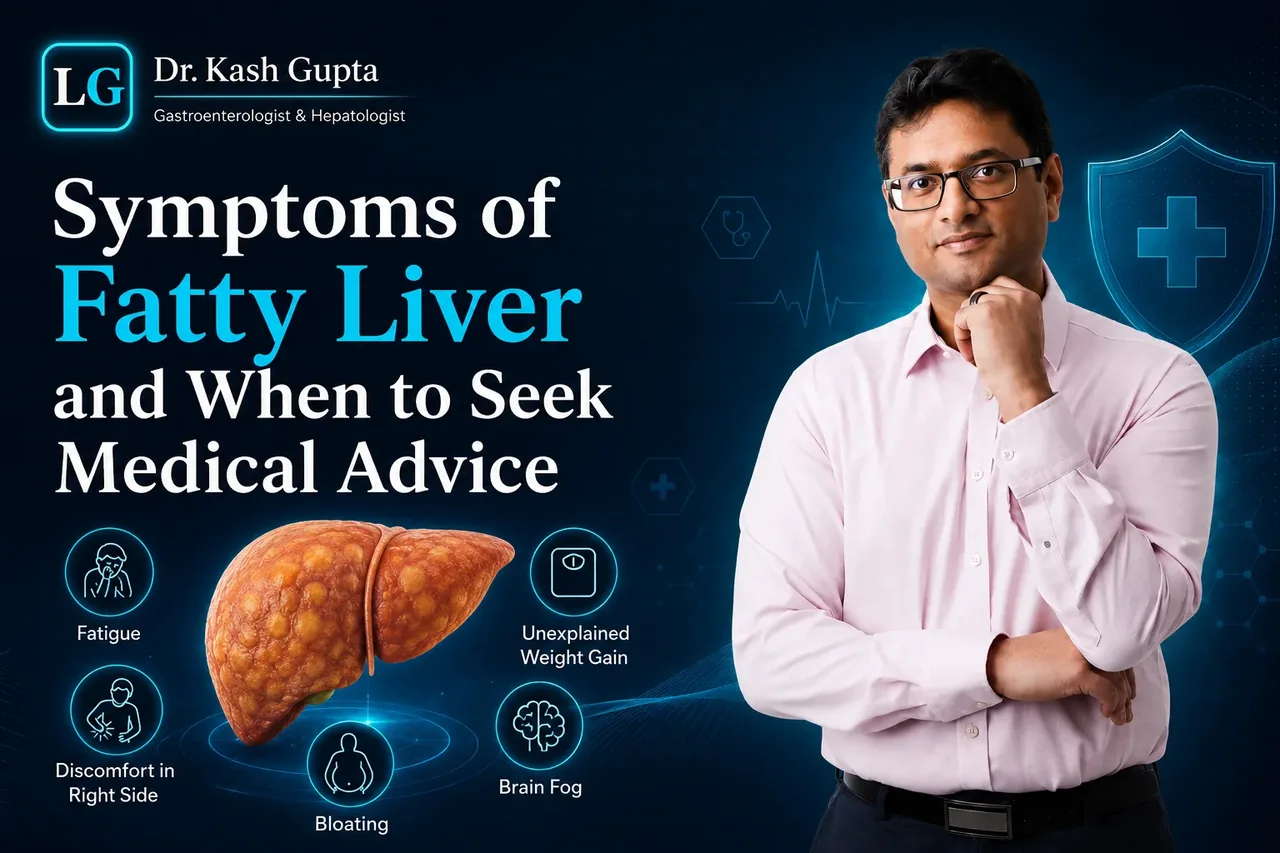
You might notice you’re tired even after sleeping well. Or there’s this vague heaviness under your right ribs that you can’t quite explain, so you stop thinking about it. Bloating comes and goes. Weight settles around your middle in a way it never used to. Maybe you feel a little foggy, like you can’t concentrate the way you used to.
None of this feels urgent in the moment. That’s sort of the whole issue. Fatty liver has a reputation as a silent condition because, frankly, it earns it.
When the Body Starts Speaking Up
If the fat keeps building and inflammation continues, the signs get harder to explain away as “just tiredness.”
Real pain in the upper right abdomen, not vague discomfort but something you actually notice. Skin or eyes taking on a yellow tint. Swelling around the ankles or belly. Urine that’s darker than usual, stools that look pale. Bruises appearing without much reason, or skin that itches for no clear cause. Appetite dropping off, or feeling nauseous more days than not.
If you’re nodding along to a few of these, please don’t wait to see how it plays out. I say this gently, but firmly. This is when a doctor’s visit matters.
Who Tends to Be More at Risk
I’m not saying this to worry anyone, just to be honest about where the risk sits. People with type 2 diabetes or prediabetes. Anyone carrying extra weight, especially around the abdomen. High triglycerides or cholesterol. A family history of liver disease. Regular drinkers, even if it doesn’t feel like “a lot” by anyone’s standards. Women dealing with PCOS.
I’ve talked through how these factors overlap in more detail on the podcast, because they rarely act alone.
When You Should Actually Book That Appointment
You don’t need things to feel dramatic before it’s worth getting checked. Honestly, I’d rather see someone too early than too late.
If you’ve had right-sided abdominal discomfort for more than a couple of weeks, that’s worth mentioning to your doctor. Same with fatigue that just won’t lift no matter how much you rest. Any yellowing of the skin or eyes. Weight loss you didn’t work for. Swelling in your legs or stomach. And if there’s a family history sitting behind any of this, that changes the urgency too.
A blood test, an ultrasound, sometimes a FibroScan. These are quick, they don’t hurt, and they give you a real answer instead of a guess pulled from a search engine at midnight.
Why Early Detection Changes Everything
Fatty liver, caught early, is often reversible. I mean that. I’ve watched patients bring their liver fat down meaningfully just by losing 7 to 10% of their body weight, eating a bit better, and cutting back on alcohol. Give it a few consistent months, and the change on a scan can genuinely surprise you. The damage tends to come from years of ignoring it, not from the condition itself being unbeatable.
I go into the nutrition, movement, and sleep habits that actually help in a fair amount of detail, and if you want something more structured than one blog post can offer, that’s really what my membership community exists for.
The Boring Habits That Actually Work
Nobody loves hearing this part, but it’s the truth. Eating more whole foods and less processed stuff. Cutting back on added sugar. Walking regularly, and no, it doesn’t need to be intense. Drinking less alcohol, or none. Keeping tabs on your blood sugar and cholesterol. Actually sleeping enough instead of just meaning to.
None of this is exciting. It works anyway.
One More Thing Before You Go
Everyone’s situation is a little different, and trying to figure this out entirely from symptoms alone only takes you so far. If something feels off, trust that instinct over whatever a search result tells you. I offer private consultations for anyone who wants a proper look at what’s going on, and if you’d rather start slower, my newsletter is free and covers exactly this kind of thing.
You’ll find more writing on liver and gut health over on the blog, and the homepage has everything laid out if you want the full picture.
Last Thought
The symptoms of fatty liver are so easy to write off as an ordinary rough patch. But your liver doesn’t tend to complain loudly until there’s already real damage sitting behind the scenes. If any of what you’ve just read sounds a bit too familiar, please don’t sit on it. A simple test now could spare you years of trouble later. Your liver works hard for you without asking for much in return. When it finally does ask, it’s worth listening.