A patient sat across from me last month, staring at her blood test results, completely confused. “My liver enzymes are up, but I barely drink,” she said. I hear some version of this almost every week in clinic, and it usually leads to the same conversation about MAFLD disease, short for Metabolic Dysfunction-Associated Fatty Liver Disease. It’s one of the most common liver conditions I see today, and honestly, most patients have never even heard of it before their diagnosis.
MAFLD disease has nothing to do with alcohol. It’s driven by metabolic problems like insulin resistance, excess weight, and poor diet. And it’s far more widespread than people realise.
What Exactly Is MAFLD Disease?
Put simply, MAFLD disease happens when fat builds up in the liver alongside at least one metabolic risk factor.
You’d typically be diagnosed with it if you have:
- Fat buildup in the liver, confirmed through a scan or biopsy
- Overweight or obesity
- Type 2 diabetes or insulin resistance
- High blood pressure
- Abnormal cholesterol or triglyceride levels
This is a bit of a shift from how we used to talk about fatty liver. The older term, NAFLD, just ruled out alcohol as the cause. MAFLD disease instead points directly at what’s actually going wrong metabolically, which gives us a much clearer path forward when it comes to treatment.
Why I’m Seeing MAFLD Disease More Often
In over twenty years of clinical practice, I’ve watched this go from an occasional finding to something I diagnose on a weekly basis. It’s not really a mystery why:
- People are moving less than they used to
- Ultra-processed food has become the default diet for many
- Obesity and diabetes rates keep climbing year after year
- Awareness is still surprisingly low, even in patients who tick every risk box
Fatty liver conditions now affect a huge chunk of adults worldwide, and a lot of them have no idea. That’s because early MAFLD disease usually doesn’t cause any noticeable symptoms.
Symptoms Worth Paying Attention To
Here’s the frustrating part. MAFLD disease tends to stay quiet in its early stages. When symptoms do show up, they’re often vague enough to brush off.
Things I’d want you to keep an eye on include:
- Ongoing tiredness that doesn’t quite make sense
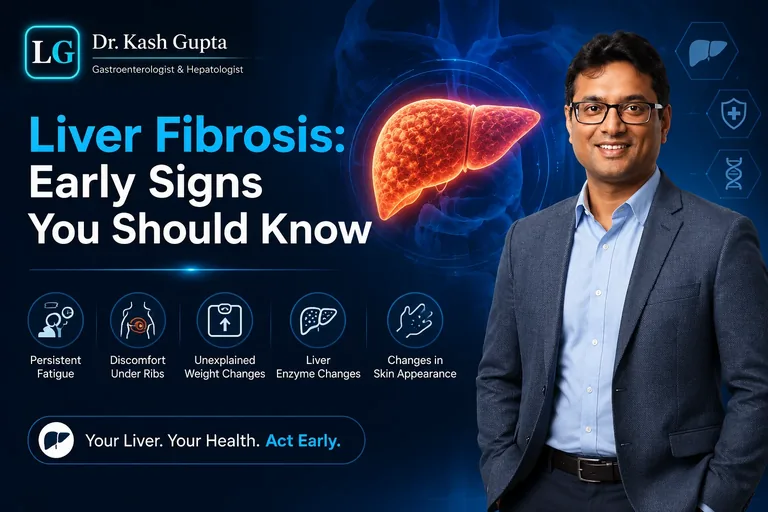
- Mild discomfort under the ribs on the right side
- Weight changes you can’t easily explain
- Bloating or general digestive unease
Because these overlap with so many other conditions, most of my patients only find out something’s wrong after a routine blood test flags raised liver enzymes. I’ve gone into more detail on this in my article on symptoms of fatty liver and when to seek medical advice, if you’d like to read further.
How I Diagnose MAFLD Disease
I usually rely on a mix of tools to get a clear picture:
- Blood tests to check liver enzymes and metabolic markers
- Ultrasound or FibroScan to assess fat and stiffness in the liver
- MRI for a more precise measurement in trickier cases
- Liver biopsy, though I only use this when things are genuinely unclear
Confirming fat in the liver is only part of the job. What really matters is understanding how far things have progressed and whether there’s inflammation or early scarring involved.
Can MAFLD Disease Be Reversed?
This is the question I get asked more than any other, and thankfully, the answer is often yes. In the earlier stages, MAFLD disease can genuinely be reversed through lifestyle changes.
Here’s what tends to make the biggest difference:
- Losing weight:Even a 7 to 10 per cent reduction can meaningfully cut liver fat
- Staying active:A mix of cardio and resistance training seems to help most
- Adjusting your diet:Cutting back on refined sugar and processed food while adding more fibre and healthy fats
- Keeping blood sugar steady:Especially important if you’re insulin resistant or diabetic
- Cutting down on alcohol:Even moderate drinking can make liver fat worse
I often walk patients through a structured eating plan rather than vague advice to “eat healthier,” and I’ve put together a 7-day meal plan for fatty liver that a lot of people find easier to actually stick to.
What Happens If It’s Left Untreated
Without treatment, MAFLD disease can progress. The general pathway looks something like this:
- Simple fatty liver, with minimal inflammation
- MASH, where inflammation starts damaging liver cells
- Fibrosis, or early scarring
- Cirrhosis, which is advanced and often permanent scarring
- In rare cases, liver failure or liver cancer
Not everyone moves through every stage, but the risk is real, which is exactly why catching it early matters so much. I’ve written more about how this condition can affect long-term health outcomes in my piece on life expectancy with fatty liver disease.
Do Supplements Actually Help?
I get asked about supplements constantly, and my honest take is this: some show promise, but none of them replace real lifestyle change. Vitamin E, omega-3 fatty acids, and certain probiotics have some evidence behind them, though the research is mixed at best. I’ve broken this down properly in my guide to fatty liver supplements, including which ones are actually worth your money.
What I’d Want You to Take Away
- MAFLD disease is a metabolic condition, not an alcohol-related one
- It’s often silent early on, so testing matters if you have risk factors
- Diet, weight, and activity changes can genuinely reverse liver fat
- Left unchecked, it can progress into more serious liver damage
- Supplements can support your efforts but shouldn’t replace them
Final Thoughts
MAFLD disease is one of the most common liver conditions I treat, yet most people barely know it exists. The encouraging part is that it’s largely manageable, and often reversible, when it’s caught early and met with the right changes.
If you’re worried about your liver health, don’t wait around for symptoms to show up. Understanding your risk for MAFLD disease now could save you years of complications down the line.
I talk through cases like these, and the science behind them, every week on my Liver & Guts Podcast, so give it a listen here. And if you’d like a proper look at your own liver health, you’re welcome to book a private consultation with me directly. Your liver works hard for you every day. It’s worth understanding what it actually needs in return.