A patient walked into my clinic last month holding a printed lab report, hands slightly shaking. “It says liver fibrosis.” That was it. No pain, no yellow skin, nothing dramatic. She looked completely healthy. “How is this even possible?” she asked. Honestly, I get some version of that question more than I’d like.
So let’s talk about it properly.
The Liver’s Slow, Silent Damage
Your liver takes a hit, heals, takes another hit, heals again. Do that enough times over enough years, and it starts leaving behind scar tissue instead of clean, healthy cells. Bit by bit, that scarring gets in the way of the liver doing its job properly.
What makes this frustrating, both for patients and for me, is that the liver doesn’t complain much. It just keeps grinding through the damage until it genuinely can’t anymore. By then, we’re usually playing catch-up.
Small Clues Most People Brush Off
Nobody walks in saying “I think my liver is scarring.” It’s more like this:
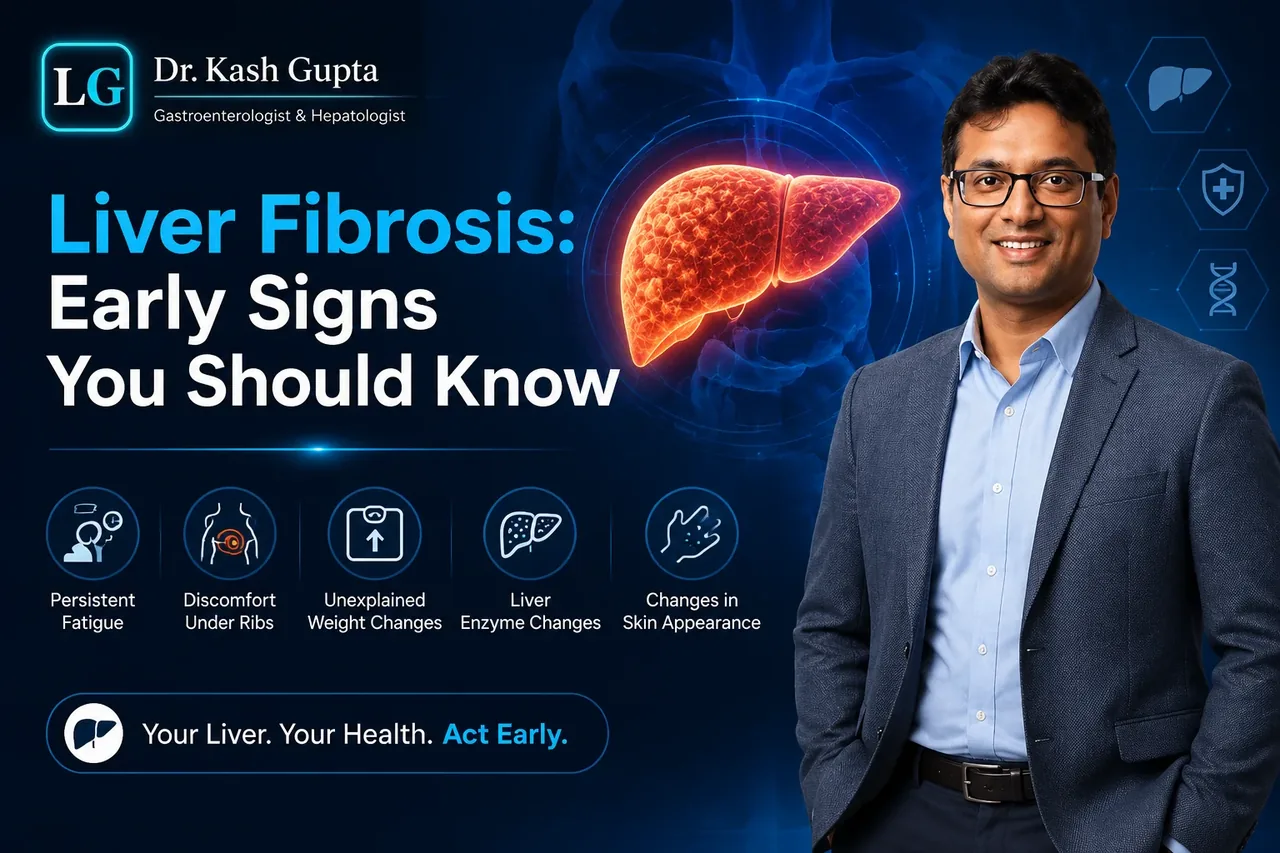
- Tired all the time, even after a full night’s sleep
- A weird heaviness under the right ribs you can’t quite place
- Not feeling hungry the way you used to
- Bruises showing up from nothing
- Little red, spidery marks on your skin you didn’t notice before
Any one of these, sure, could be a hundred things. Stress, poor sleep, iron levels, who knows. But when a patient mentions two or three together, that’s usually when I start asking more questions.
When Your Body Stops Whispering
At some point, if this goes unchecked, it gets loud:
- Skin or eyes turning yellow
- Ankles and legs puffing up
- Your belly filling with fluid
- Feeling foggy, forgetful, off
If you’re at this stage, please don’t wait it out. This isn’t a “let’s monitor it” situation anymore.
What’s Usually Driving It
Most of the time, I trace it back to one of a few things — fatty liver from weight or insulin resistance, years of drinking more than the body can handle, or hepatitis B or C sitting there untreated. Sometimes it’s genetic, sometimes autoimmune, but that’s rarer.
If alcohol’s part of your story, I actually wrote something more specific on that — Liver of an Alcoholic walks through what years of drinking does, step by step. And if you’re curious what the later stages look like, 7 Signs Your Liver Is Dying lays that out too.
It’s Not Always a One-Way Street
Here’s the part I actually want you to remember. Fibrosis is not automatically a life sentence. I know it sounds scary written on a lab report, but early fibrosis can genuinely stabilize, sometimes even reverse a little, once you deal with whatever’s causing it.
What Actually Moves the Needle
A few things that genuinely help:
- Getting to a healthier weight, even a modest amount helps
- Cutting alcohol way down, or out completely
- Eating real meals instead of grabbing whatever’s fried and fast
- Keeping diabetes or cholesterol under control
- Actually showing up for your follow-up appointments
That patient I mentioned? Six months later, her numbers looked completely different. Not because of anything drastic, just consistent, boring, everyday changes. Liver fibrosis scared her into action, and it worked in her favor.
If you want to hear more real conversations like hers, my podcast is a good place to start. And if something here hit a little close to home, don’t just sit with it; book a consultation, and let’s actually look at where you stand.