A patient sat across from me last week, halfway through describing her third bottle of antacids this month, and just stopped. “Is there actually a way to fix this for good?” she asked. Not manage it. Fix it. I get some version of that question almost every week in clinic, and I always give the same honest answer: yes, for most people, but it’s not going to come from a pill. If you’re wondering how to cure GERD permanently, the real work happens at the dinner table and in your daily habits, not in the pharmacy aisle.
What’s Actually Happening in Your Chest
GERD, or gastroesophageal reflux disease, is what happens when acid from your stomach keeps sneaking back up into your food pipe. That burning you feel after a big meal, or when you lie down too soon after dinner? That’s acid where it shouldn’t be, irritating tissue that was never built to handle it.
Most people’s first move is an antacid. Fair enough, it works in the moment. But it’s papering over the problem. The real culprits are usually a weakened valve at the bottom of your oesophagus, too much pressure in your belly, or foods that keep provoking the same reaction night after night.
So Can You Actually Cure It Permanently?
Here’s what I’ve seen over years of practice: patients who treat this as a lifestyle problem, not just a symptom to suppress, genuinely get better. Not everyone. Not overnight. But enough that I can say with confidence – learning how to cure GERD permanently is realistic if you’re willing to change a few habits and stick with them.
I’ve had patients go from nightly heartburn to barely thinking about it, just by shifting what and when they eat.
Start With What’s on Your Plate
Food is the single biggest lever most people can pull, and it’s usually the first place I look with patients.
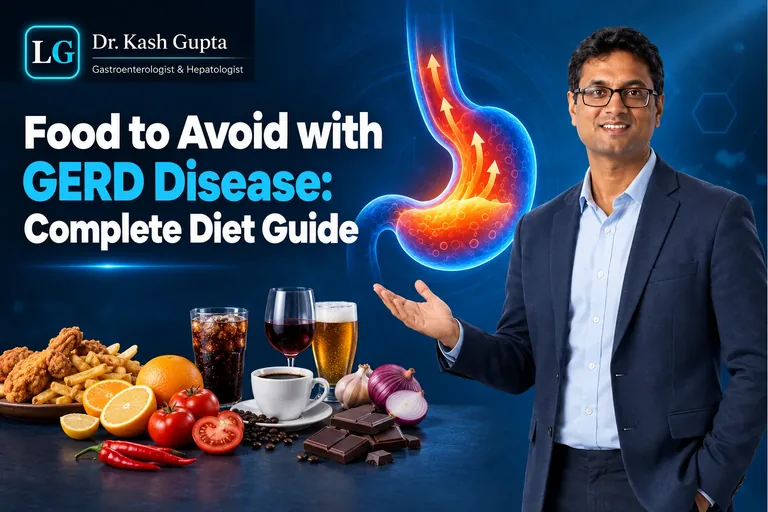
- Spicy food, citrus, tomatoes, chocolate, caffeine, and fizzy drinks tend to be the repeat offenders – you probably already have a suspect in mind.
- Fatty and fried food slows digestion and relaxes the very valve you’re trying to keep tight.
- Smaller meals, more often, beat three large ones. A stuffed stomach pushes harder against that valve.
- Eating late at night is one of the worst habits for reflux. Give yourself a solid three hours before bed.
- Alcohol relaxes that same valve and ramps up acid production – worth cutting back even if you’re not ready to quit entirely.
- Fibre-rich vegetables genuinely help. They ease digestion and cut down on the bloating that makes reflux worse.
If liver health is also on your radar alongside reflux, I wrote a separate piece on the Fatty Liver Diet that overlaps nicely with a lot of this – worth a read if you’re trying to clean up your eating in general.
The Habits That Matter Just As Much as Food
Diet gets most of the attention, but I’d say lifestyle carries at least half the weight here.
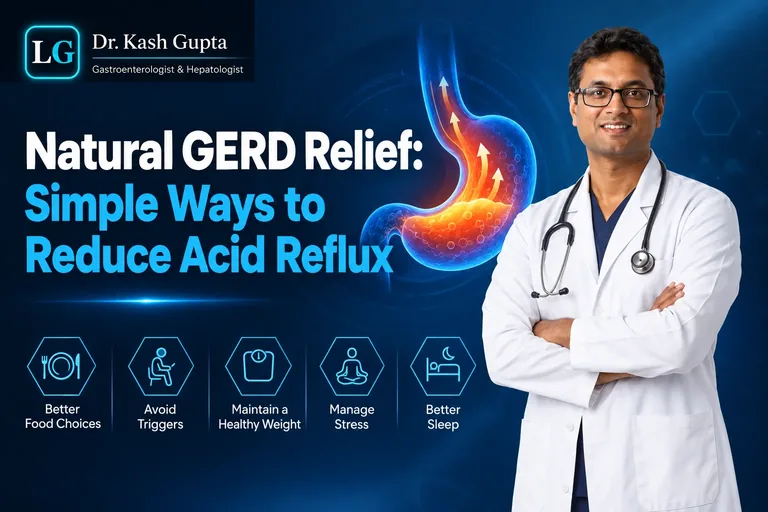
- Carrying extra weight around your middle physically pushes on your stomach and worsens reflux – even modest weight loss tends to help.
- Raising the head of your bed a few inches lets gravity do some of the work while you sleep.
- Smoking weakens the same sphincter muscle we keep mentioning. Quitting helps more than most people expect.
- Stress doesn’t cause GERD on its own, but it makes your gut far more sensitive to acid, so flare-ups tend to cluster around stressful weeks.
- Tight waistbands and belts add pressure you don’t need – loose clothing genuinely makes a difference.
- Staying upright for a couple of hours after eating, instead of collapsing on the sofa, keeps acid where it belongs.
None of these changes are dramatic on their own. But stacked together, they’re often what separates someone who’s still on daily medication from someone who isn’t.
When It Might Not Just Be Reflux
Every so often, a patient does everything right and still isn’t improving. That’s usually my cue to look wider. Sometimes what looks like reflux is actually overlapping with bacterial overgrowth or irritable bowel symptoms, which behave differently and need a different approach. I’ve written about this distinction in SIBO vs IBS, and it’s worth a read if your symptoms feel more complicated than straightforward heartburn.
I’d also point you to my piece on food sensitivity testing if you suspect a specific food is behind your flare-ups but aren’t sure how to confirm it – there’s a lot of misleading testing out there.
Give It Time, and Track What’s Working
I always tell patients not to judge progress after a week. Give any change at least six to eight weeks before deciding whether it’s working. Keep a rough note of what you ate and how you felt – patterns show up faster than you’d expect once you’re actually looking for them. Change one thing at a time rather than overhauling your entire life on a Monday; it’s far easier to stick with and far easier to tell what’s actually helping.
A Quick Word of Caution
If you’re doing all of this and still struggling, or if you notice trouble swallowing, unexplained weight loss, or chest pain that worries you, please don’t just push through it. Those symptoms deserve a proper look, not more dietary tweaks.
Where to Go From Here
Reflux doesn’t have to be something you just live with. I’ve watched enough patients turn things around to know that learning how to cure GERD permanently is genuinely within reach for most people, once the right habits are in place and given enough time to work.
If you want to go deeper into how gut and liver health connect, I talk through topics like this most weeks on the Liver & Guts Podcast – it’s free, and it’s where I get into the detail I can’t always fit into a blog post. And if your reflux has been dragging on and you’d like a proper look at what’s driving it, you’re welcome to book a private consultation with me directly. Let’s sort it properly.