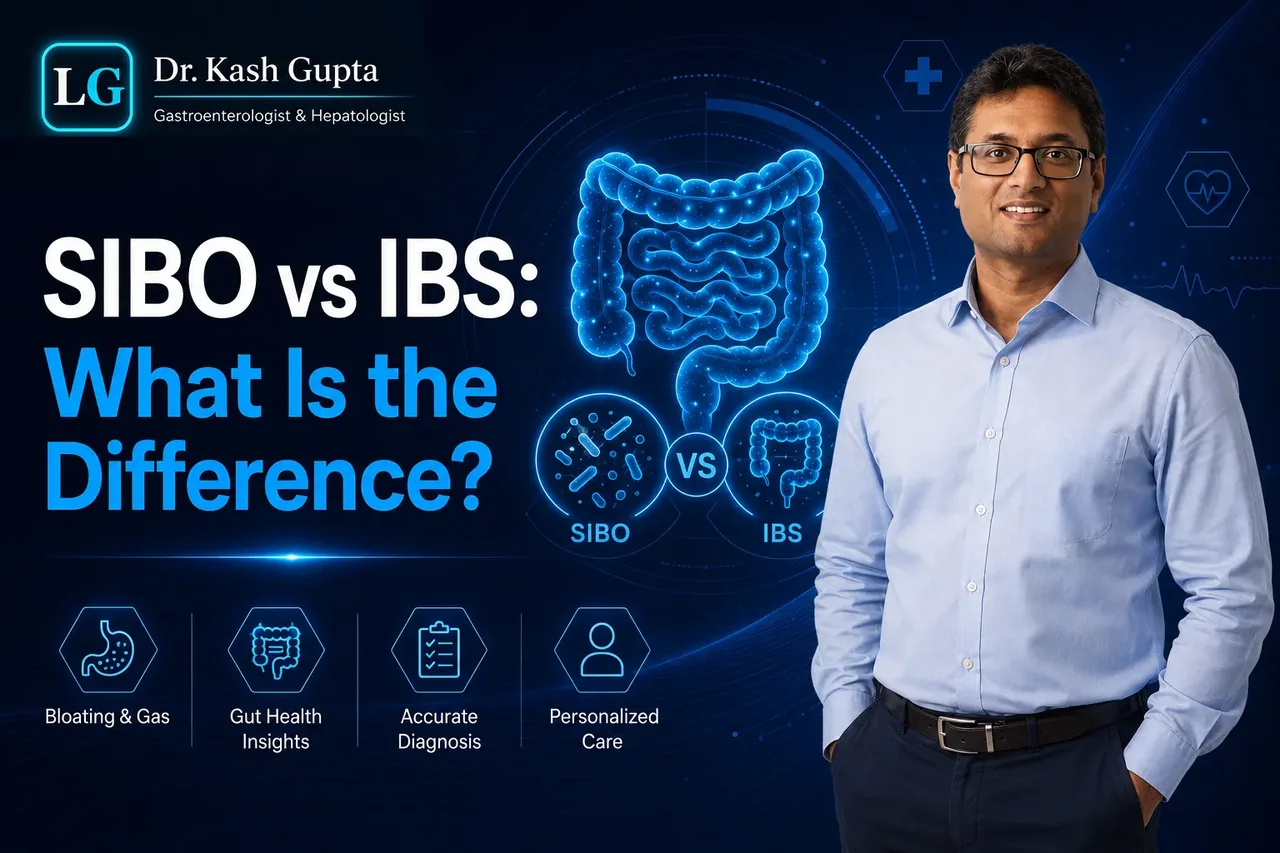
If you have been told you have IBS but nothing ever really fixes it, you are not alone. I hear this in clinic almost every week. Patients come in tired and frustrated. They have tried every diet, cut out this food, cut out that food, and they still feel bloated and uncomfortable. A lot of the time, the real question isn’t “how do I manage my IBS.” It’s actually about SIBO vs IBS, and whether the label they were given in the first place was even correct. These two conditions overlap so much that one gets mistaken for the other constantly. Knowing the difference matters, because you don’t treat them the same way.
What Is IBS?
Irritable Bowel Syndrome, or IBS, is what we call a functional gut disorder. In simple terms, the bowel looks completely normal on a scope or a scan, but it just isn’t functioning the way it should.
A few things tend to drive it:
- A gut-brain connection that isn’t communicating properly
- Motility that’s too fast, too slow, or just erratic
- A gut that’s more sensitive than it should be to normal digestion
- Stress, past infections, or hormonal changes
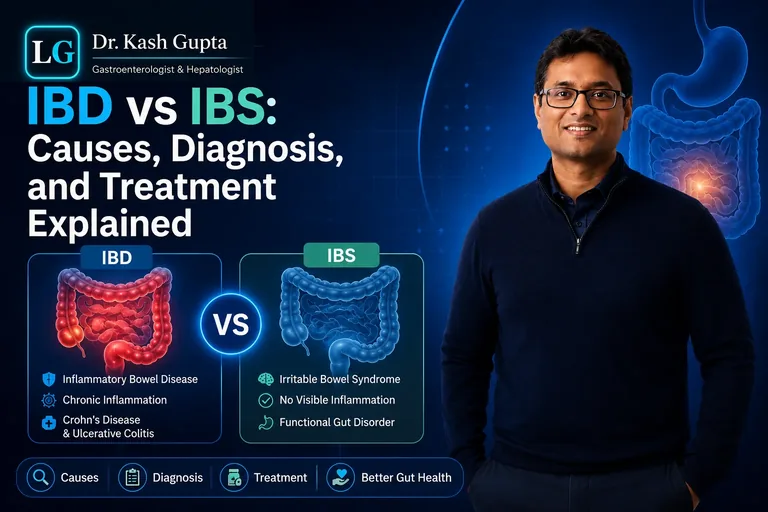
Most of the time, doctors diagnose IBS purely on symptoms, once we’ve ruled other things out. There are subtypes too, depending on whether diarrhoea, constipation, or a mix of both is the main issue. I’ll also say this: IBS symptoms can look a lot like more serious bowel conditions, so it’s worth reading about how IBD differs from IBS before settling on “it’s just IBS.”
What Is SIBO?
SIBO, or Small Intestinal Bacterial Overgrowth, is a different thing altogether. It isn’t a functional label. It’s an actual, measurable problem. Normally, your small intestine has far fewer bacteria than your large intestine. With SIBO, bacteria that should be living in the colon end up migrating upward and growing where they shouldn’t.
All that extra bacterial activity starts fermenting food too early in the digestive process. That’s what causes the gas, the bloating, and the changes in bowel habits, symptoms that look almost identical to IBS.
Common causes include:
- Slow gut motility, so bacteria never get cleared properly
- Low stomach acid, often from years on acid-reducing medication
- Structural problems like scar tissue from a past surgery
- Chronic conditions such as diabetes that affect the nerves in the gut
Why People Mix Them Up
This is the part that confuses most patients. SIBO and IBS share almost the exact same list of symptoms.
- Bloating, particularly after eating
- Cramping or abdominal pain
- Too much gas
- Diarrhoea, constipation, or both
- That feeling of never quite emptying properly
There’s good evidence that a large chunk of people diagnosed with IBS actually have SIBO underneath it, driving everything. That matters a lot clinically. It means plenty of people have spent years managing the wrong condition. Diet changes and stress work can help a little, but if bacterial overgrowth is the actual cause, the symptoms usually come back.
SIBO vs IBS – How I Actually Tell Them Apart
I don’t go off symptoms alone. They simply aren’t reliable enough to separate one from the other. What I look at instead:
- Breath testing: This measures hydrogen and methane after drinking a sugar solution, which tells us how much fermentation is happening in the small intestine.
- How someone responds: Fasting, certain diets, or past treatments can reveal a lot.
- Risk factors: Past abdominal surgery, long-term PPI use, slow-transit constipation, or connective tissue issues all raise my suspicion for SIBO.
- Ruling out other conditions: Coeliac disease and inflammatory bowel disease can both mimic this picture too.
This is exactly why proper testing matters so much before landing on a diagnosis. If you want to understand what that testing actually looks like, I’ve gone into more detail in how a gut health test can help identify digestive issues.
Why the Distinction Actually Changes Your Treatment
For IBS, treatment usually focuses on:
- Gut-directed dietary work, often a structured low-FODMAP approach
- Addressing the gut-brain axis, sometimes through gut-directed therapy
- Adjusting fibre and hydration
- Medication targeted at whichever symptom is dominant, whether that’s pain, diarrhoea, or constipation
For SIBO, the plan looks quite different:
- Reducing the actual bacterial overgrowth, often with targeted antimicrobial treatment
- Finding and fixing the underlying cause, whether that’s motility, low stomach acid, or a structural issue
- A slow, careful reintroduction of foods afterward, rather than staying restricted long term
- Watching closely for relapse, because SIBO tends to come back if the root cause isn’t sorted
Treating SIBO as though it’s plain IBS, or the other way round, is one of the biggest reasons people feel stuck even when they’re doing everything “right.”
Signs That Point Toward SIBO Rather Than IBS
Testing is really the only way to know for sure, but a few patterns make me want to dig deeper for SIBO specifically:
- Bloating that gets noticeably worse as the day goes on
- Symptoms that flare up badly with high fibre or fermentable foods
- Antibiotics helping for a while, then symptoms creeping back
- Nutrient deficiencies sitting alongside the gut symptoms, low B12 being a common one
None of these confirm SIBO by themselves, but together they’re usually enough reason to look further rather than just accepting an IBS diagnosis and moving on.
The Bottom Line
SIBO and IBS are not the same thing, even though day to day they can feel identical. IBS is a functional problem, rooted in how your gut and brain talk to each other. SIBO is a specific bacterial issue with a cause you can actually measure and treat. The confusion around SIBO vs IBS is exactly why so many people go years without real relief. They’re simply treating the wrong problem. Getting the correct diagnosis, through proper testing instead of guesswork, is really the first honest step toward fixing things rather than just managing them.
If your gut symptoms have never quite added up, it’s worth looking closer instead of settling for a default label.
Want to go deeper on topics like this? Tune into the Liver & Guts Podcast for honest, evidence based conversations on gut and liver health. And if you’d like a proper look at what’s going on with your own gut, get in touch and let’s book you in for a consultation.