I lost count years ago of how many patients have come into my clinic gripping their chest, certain they’re having a heart attack, when really it’s just acid reflux acting up. It’s more common than people think. If you’ve got GERD, you know exactly what I mean — that burn creeping up after dinner, or waking up at 3 am with your chest on fire for no obvious reason. Here’s what I tell almost everyone in that chair: before we even talk about medication, let’s look at what’s actually on your plate. Getting a handle on the food to avoid with GERD disease is, more often than not, the thing that moves the needle fastest.
What’s Going Wrong, Basically
There’s a valve between your stomach and your oesophagus called the lower oesophageal sphincter. Its only job is to stay closed so stomach acid doesn’t come back up. With GERD, that valve gets a bit lazy — it relaxes at the wrong moments, acid slips through, and you feel that burn. Certain foods make this worse. Some loosen the valve further; others just ramp up how much acid your stomach’s churning out. Once you know which ones do that to you specifically, you’re already halfway to fixing this.
The Foods That Cause the Most Grief
I see the same handful of culprits over and over in clinic, and honestly, the research backs it up.
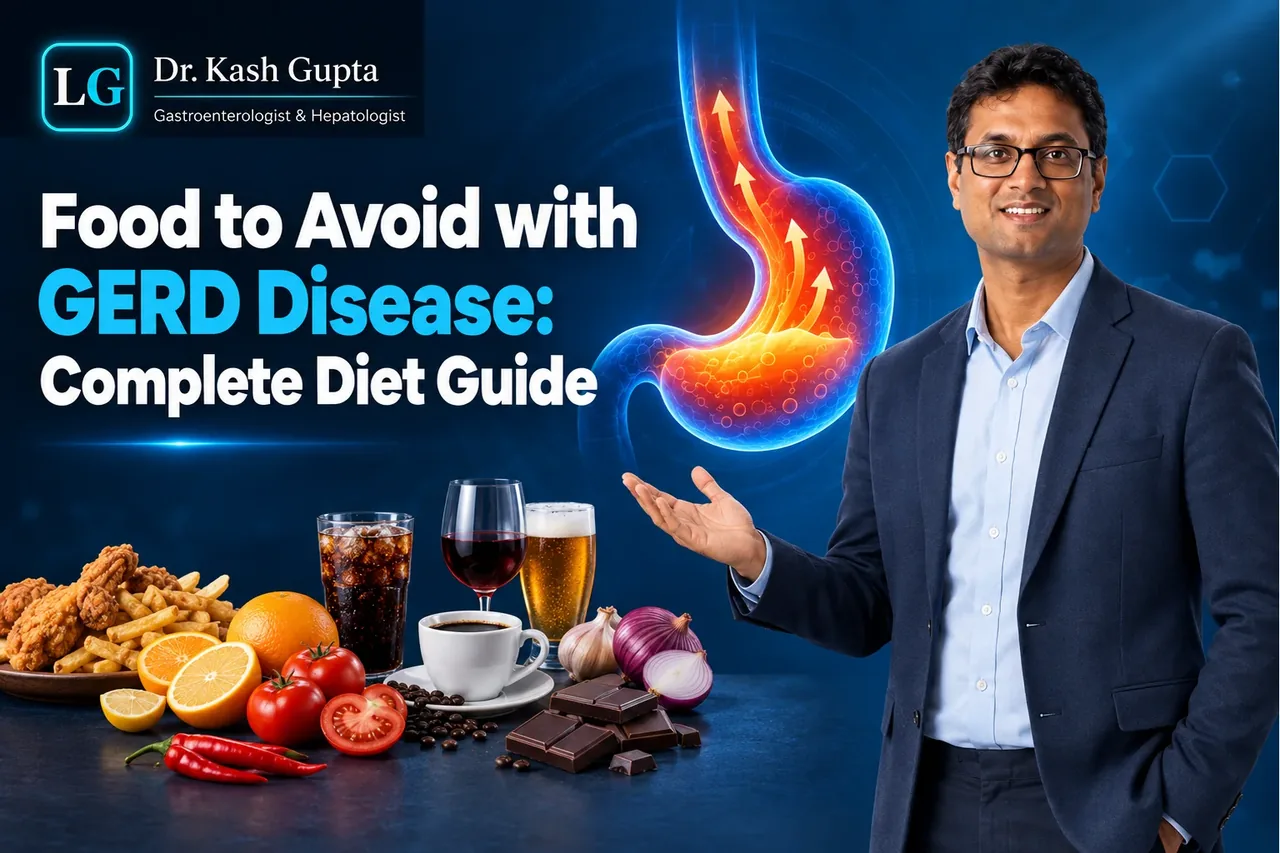
- Fried and fatty food is probably the biggest one — fried chicken, chips, fatty cuts of meat, full-fat dairy. Fat sits in your stomach longer and relaxes the sphincter at the same time, so you’re getting hit twice. It’s a rough combination, and I say this as someone who genuinely misses a good takeaway sometimes.
- Citrus and tomatoes are next. Oranges, lemons, grapefruit, anything with a tomato base — they’re acidic enough to irritate an oesophagus that’s already inflamed. I’ve had a patient tell me a single glass of orange juice ruins her whole morning.
- Spicy food doesn’t technically cause reflux on its own, but if you’re already prone to it, chilli and hot sauce will absolutely make the burning worse. Ask anyone who’s tried to power through a vindaloo while dealing with GERD.
- Chocolate, unfortunately, is one of the worst offenders — and I say “unfortunately” because I know how much people don’t want to hear it. It contains a compound called methylxanthine that relaxes the sphincter directly, and most chocolate is loaded with fat and caffeine on top of that.
- Coffee and fizzy drinks together are a bad pairing too. Caffeine loosens the valve, carbonation bloats the stomach, and the pressure pushes things where they shouldn’t go.
- Alcohol works the same way — relaxes the valve, increases acid. Doesn’t always take much either. I’ve had patients notice symptoms after one glass of wine with dinner.
- And then there’s peppermint, which genuinely catches people off guard. It’s marketed everywhere as soothing for digestion, but it does the opposite for reflux — relaxes that same muscle you need to stay tight.
- Raw onion and garlic round things out. Cooked versions tend to be gentler, though some people still react even then.
What You Don’t Have to Give Up
It’s easy to get stuck dwelling on the “no” list, so here’s the more useful part — what generally sits fine:
- Oatmeal and whole grains
- Lean proteins like chicken, turkey, fish
- Non-citrus fruit — bananas, melons, apples
- Leafy greens, most cooked vegetables
- A bit of ginger
- Low-fat dairy alternatives
Most people are relieved when I go through this list with them. It’s not as restrictive as they were bracing for.
Habits That Matter Almost as Much as What You Eat
Food’s the biggest piece, but it’s not the whole puzzle. A few things I bring up in nearly every consultation:
- Eat smaller portions rather than one big meal — a full stomach pushes harder against that valve than you’d think.
- Give yourself at least three hours between eating and lying down. If nights are worse than days, try propping the head of your bed up a few inches.
- Loosen up tight waistbands, since they add pressure right where you don’t need it. And keep a food diary for a couple of weeks — genuinely, just write down what you eat and how you felt after.
- Patterns show up faster than people expect.
That last one matters more than it sounds. I’ve had patients who drink coffee every single day without issue but can’t go near a tomato, and others who are the exact opposite. There isn’t one universal trigger list. Yours is yours, and it’s worth figuring out properly rather than guessing.
Why I’m Cautious About Generic Advice
This is partly why I’m not a huge fan of the blanket reflux lists scattered across the internet. They’re a fine starting point, sure, but your gut isn’t identical to the next person’s. I get into the actual science behind these triggers — why they behave the way they do, not just what to avoid — on my Liver & Guts Podcast, if you want to go deeper than a checklist.
When You Should Actually See Someone
If you’ve made these changes and you’re still not improving after a few weeks — or if you’re having trouble swallowing, losing weight without meaning to, or dealing with chest pain that isn’t going away — please get it looked at properly. Left unchecked for long enough, GERD can turn into something like oesophagitis, or in rarer cases, Barrett’s oesophagus. It’s very manageable. It just needs real attention once lifestyle tweaks stop being enough on their own.
Where to Go From Here
Living with reflux doesn’t mean saying goodbye to the food you love forever. It means learning what your body can actually handle and making smarter swaps where they count. Start by pulling back on the big ones — fried food, citrus, caffeine, alcohol, chocolate, spice — and pay attention to how you feel as you go. Knowing your food to avoid with GERD disease is genuinely one of the more useful things you can figure out for yourself, and combined with a few daily habit changes, it’s usually what brings lasting relief.
If you’d like weekly, evidence-based insight on gut and liver health delivered straight to you, you can subscribe to my newsletter — it’s free. And if you’d rather work through your specific case directly with me, I run 1:1 consultations for exactly that. Either one’s a solid place to start.