Last winter, a mother rang me at midnight. Her son, nineteen, had come home from a party and gone straight to bed. She couldn’t wake him properly. I told her to call an ambulance, and I didn’t hang up until she had. The alcohol poisoning effects had crept up on him while everyone assumed he was fine.
What Is Alcohol Poisoning?
Drink a lot in a short window, and your liver simply can’t keep up. It clears alcohol at its own steady pace, no matter how much you’ve had. So the level in your blood climbs. And it can keep climbing after you stop, because alcohol still sitting in your stomach and gut carries on being absorbed.
Binge drinking is the usual cause. Craft beers and cocktails can hold a lot more alcohol than a standard measure, so it’s easier to overshoot than you’d think.
Early Alcohol Poisoning Effects People Miss
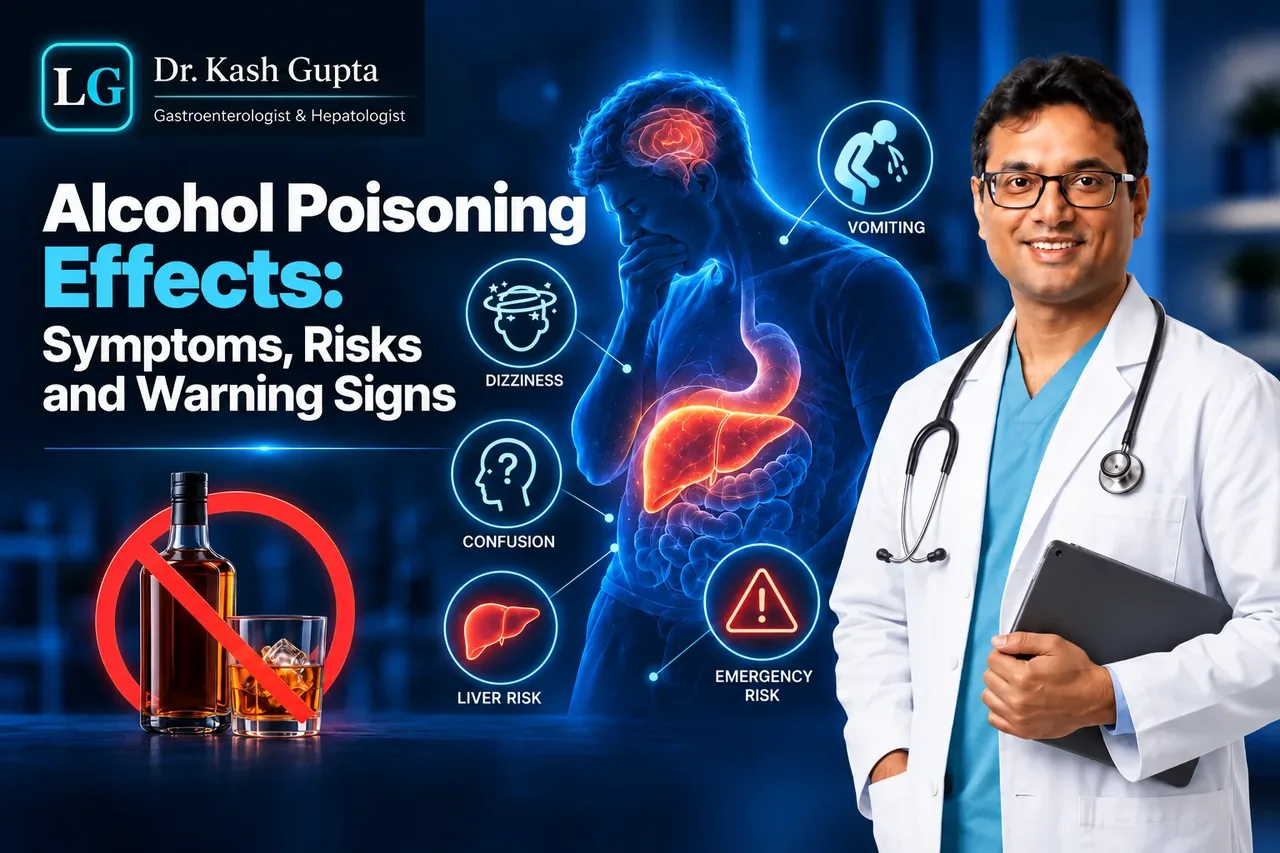
This is where most mistakes happen. The person looks drunk, and drunk is normal on a night out. But look closer:
- Confused, can’t hold a conversation
- Vomiting more than once
- Skin that’s pale, grey, or slightly blue
- Cold to the touch
Serious Alcohol Poisoning Effects on the Body
Alcohol dulls the gag reflex. If someone vomits while out cold, they can choke or breathe it into their lungs. It also slows the parts of the brain that control breathing and heart rate. That’s how people die from it.
Call for help immediately if you see any of these, even just one:
- Fewer than eight breaths a minute
- A gap of more than ten seconds between breaths
- A seizure
- Can’t be woken up
Who Is at Greater Risk?
Alcohol poisoning effects vary a lot from person to person. Your weight, whether you’ve eaten, and any medicines you take all play a part. Sedatives and strong painkillers are the ones I worry about most. Children can be caught out too, through mouthwash or hand sanitiser. Years of heavy drinking are a separate problem, and I’ve written about what they do to the liver of an alcoholic.
What To Do in an Emergency
Don’t wait and hope. Sleeping it off isn’t a plan.
- Call your local emergency number
- Stay with them the whole time
- Sit them up, or turn their head to the side
- Tell the medics what they had and roughly when
- Never make them vomit
And please, don’t worry about getting a friend into trouble. That’s a small price compared with losing them.
How to Prevent Alcohol Poisoning Effects
Most alcohol poisoning effects are avoidable. A few habits go a long way:
- Drink slowly, and only in moderation
- Eat something first
- Read the label; some drinks are much stronger
- Ask your doctor before drinking on any medicine
- Talk to your teenagers early
- Lock away alcohol and cleaning products if you have little ones
Don’t Forget Your Liver
Even a single bad binge stresses the liver. Repeat it often, and you can end up with fatty liver, inflammation, even scarring. If you drink regularly, it’s worth knowing the signs of liver trouble before they get loud.
One Last Thing
Alcohol poisoning effects are serious, but they’re also preventable. If a night ever feels off, trust that feeling and make the call, even if you feel silly. Want more everyday health talk? My podcast is a good place to start. And if your own drinking or liver has been on your mind, book a consultation, and we’ll go through it together.