“Just tell me what to eat.” I hear some version of that almost every week, usually from someone who’s already spent hours down a rabbit hole of contradictory advice. So if you’ve typed best diet for IBS into Google tonight, hoping for one clean answer, I’ll be straight with you: there isn’t one. Not a single diet that works for everybody. But there is a way to find what works for you, and it’s honestly more manageable than the internet makes it look.
Why There’s No One-Size-Fits-All IBS Diet
Here’s the part that catches most patients off guard. Every scan comes back clean. Bloodwork, normal. Nothing a doctor can point to and say, “There, that’s the problem.” Your gut just… overreacts. To things that barely register for someone else’s stomach.
And that’s really why the best diet for IBS question doesn’t have a tidy answer. What sends me straight to the bathroom might not bother you at all. Annoying, I know. But also, in a weird way, kind of reassuring, because it means you’re not doing anything “wrong.” Your gut’s just wired a bit differently.
Small Habits to Fix Before Any Elimination Diet
Before you start cutting foods out left and right, pump the brakes for a second. A lot of the time, it’s not even what you’re eating; it’s how.
- Try to eat around the same times each day. Sounds boring, but your gut genuinely likes routine.
- Slow down. Chew properly. I know, easier said than done at 12:47 pm between meetings.
- Get close to 1.5 litres of water in daily, and maybe go easy on the third coffee.
- Keep a rough note of what you ate and how you felt after. Doesn’t need to be fancy.
Had a patient a while back, dead certain she had a serious gluten problem. Turned out she was inhaling lunch in under four minutes flat, standing up, between calls. Slowed down a bit, symptoms eased. Not everyone’s case is that simple, obviously, but you’d be surprised how often it kind of is.
The Low FODMAP Diet: My Go-To for Stubborn Symptoms
If the basic stuff doesn’t move things along, this is usually where I take patients next. FODMAPs are a group of carbs that your gut has a hard time breaking down, and when they ferment, that’s your bloating and gas right there.
Foods worth keeping an eye on:
- Apples, pears, mangoes, watermelon
- Onions, garlic, cabbage, cauliflower
- Beans, lentils, mushrooms
- Milk, soft cheeses, yogurt
- Wheat-based stuff
- Honey and high-fructose corn syrup
- Sweeteners ending in “-ol,” like sorbitol or xylitol
And no, you’re not banning these for life. You pull them for a few weeks, then bring them back one at a time, almost like running a little experiment on yourself. It’s a bit of a slog, not going to lie. But out of everything I recommend, this one probably has the best track record.
If you want the week-by-week version instead of just the theory, I laid it out properly in my IBS Diet Plan post.
Fiber and IBS: Why More Isn’t Always Better
This trips up nearly everyone I see. People assume fiber is fiber. It isn’t.
Soluble fiber- oats, carrots, peeled potatoes, linseeds- tends to actually help, especially if constipation’s your issue. Insoluble fiber, whole grains, raw veg, can sometimes do the opposite and stir things up more.
So add it slowly. Two to three grams a day is plenty. Go from barely any fiber to a giant bowl of bran overnight, and your gut will let you know, loudly, that it did not appreciate the surprise.
IBS-D vs IBS-C: Why Your Diet Should Differ
Here’s where a lot of generic diet advice quietly falls apart, because helping one type can actively worsen the other.
If diarrhea’s the main culprit:
- Cut back on high-fiber grains, nuts, and seeds for a bit
- Skip anything with sorbitol
- Drink more than you think you need; dehydration sneaks up fast
If constipation’s more your thing:
- Build soluble fiber up gradually
- Stay consistent with water, not just when you remember
- Linseeds genuinely help here
So yeah, chasing one universal best diet for IBS is a bit like asking for the “best” shoe size. Depends entirely on whose feet we’re talking about.
Is Gluten Actually the Problem, or a Red Herring?
Some patients feel noticeably better cutting gluten, even after celiac disease is ruled out completely. It’s not the answer for most people, but it comes up often enough that I’ll suggest a two-week trial when nothing else has helped.
If you genuinely can’t tell whether it’s gluten, dairy, or something else entirely, that’s usually your cue to get proper testing instead of guessing your way through yet another elimination round. I go into this more in Food Intolerance Testing: When Should You Consider It?
Foods That Quietly Trigger Most IBS Flare-Ups
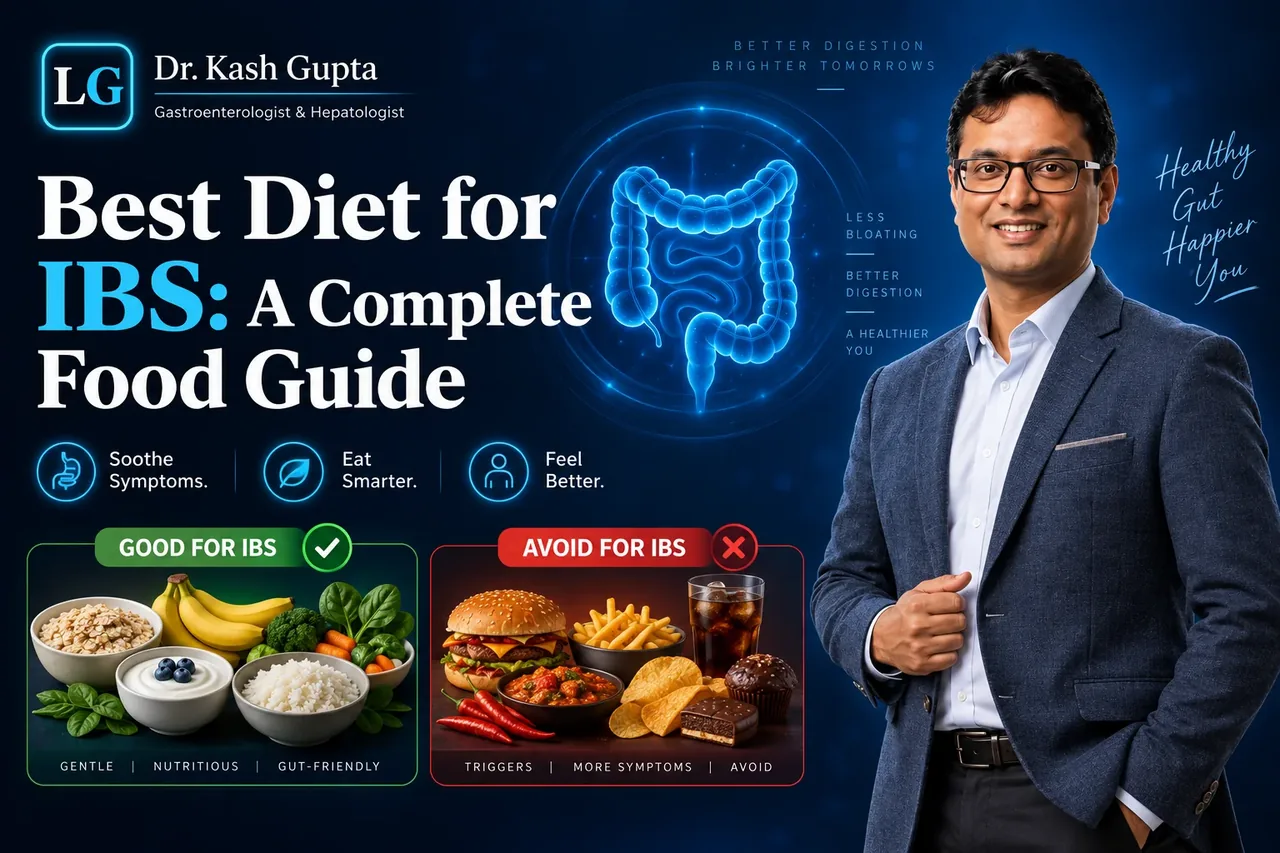
Everyone’s different, sure, but these keep showing up again and again:
- Fried, greasy food
- Spicy meals
- Heavily processed snacks
- Too much caffeine
- Alcohol and fizzy drinks
You don’t have to cut these out entirely. Even scaling back a bit tends to show results within a couple of weeks, in my experience.
Your Simple Game Plan for Lasting Relief
Track your meals and symptoms honestly for two weeks, not just the “good” days you’re proud of. See what patterns show up. Try low FODMAP if you’re still struggling after that. Bring foods back slowly. Lean into whichever fiber type actually helps your symptoms.
None of this is glamorous. It’s just consistent. And with IBS, consistent tends to win over clever.
Final Thoughts
If you take one thing from all this, let it be this: the best diet for IBS was never going to be some perfect checklist you screenshot and follow to the letter. It’s something you build, a little messily, by actually listening to your own gut for once. I’ve been doing this a long time, and I still get surprised, honestly, by how different one patient’s triggers are from the next.
If you’ve made the changes and you’re still stuck, that’s usually your gut’s way of saying it’s time for a proper look, not another round of trial and error on your own.
If you want more of this, real patient stories, the reasoning behind the advice, that’s pretty much what my podcast is for. And if your IBS is still running the show in your day-to-day, let’s sort that out properly. Book a consultation, and we’ll figure out a plan that’s actually built around your gut, not a template pulled off the shelf.