I had a patient a while back – mid-thirties, ran her own business, hadn’t eaten out with friends in months because she never knew when her stomach would turn on her. She’d already tried three different IBS diet plans she found online, all contradicting each other. That’s usually where people land when they search this topic – overwhelmed, a little skeptical, not sure who to believe. So let me just tell you what I actually tell patients in clinic, without the fluff.
Here’s the thing about IBS – your gut looks completely fine on every scan we run. Blood tests, normal. Colonoscopy, normal. And yet you’re doubled over after lunch some days for no obvious reason. That’s what makes it so frustrating. The bowel isn’t damaged; it’s just reactive – it overreacts to certain foods, to stress, sometimes to nothing you can even pin down.
Before you rearrange your entire diet, though, it’s worth asking whether it’s really IBS at all. I’ve had more than one patient convinced they had IBS when it turned out to be a specific food intolerance nobody had checked for. If that’s crossed your mind too, it’s worth reading about food intolerance testing – it might save you a lot of trial and error.
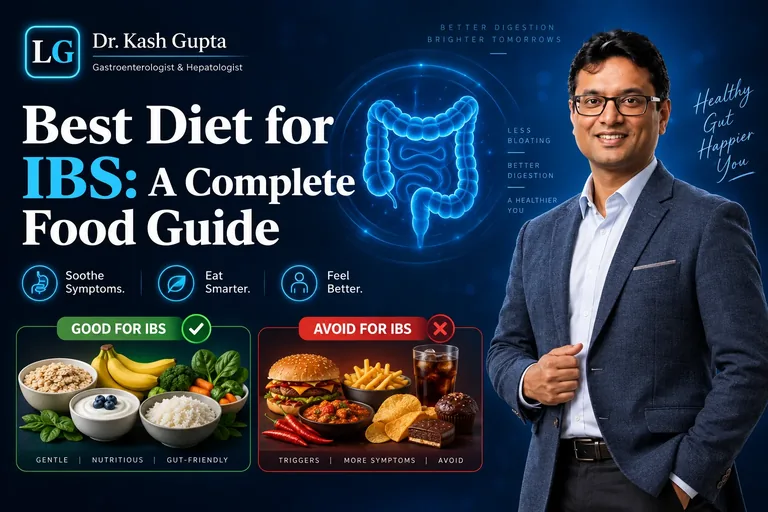
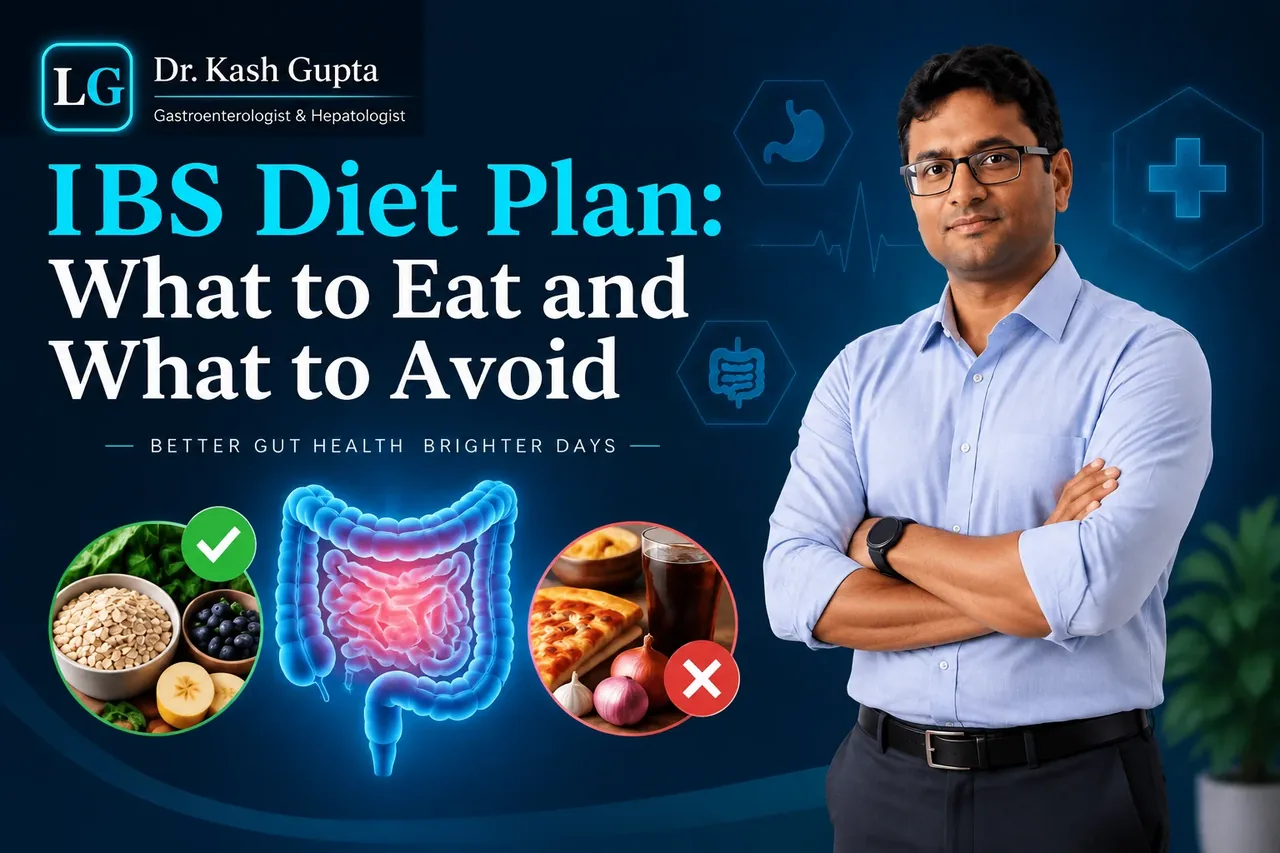
Foods That Tend to Calm Things Down
There’s no miracle food here, but a few things come up again and again with patients who genuinely improve:
- Soluble fibre over rough fibre: Oats, chia seeds, peeled fruit – gentler on the gut than wheat bran or skins, which can make bloating worse.
- Smaller, regular meals: Skipping breakfast and lunch, then eating a huge dinner, tends to overstimulate the gut. Three steady meals usually beat grazing or starving.
- Water, more than you’d think: Especially once you increase fibre – dehydration makes fibre work against you, not for you.
- Peppermint tea: Genuinely one of the few “natural” remedies I’d actually recommend – it relaxes gut muscle and eases cramping.
- A little yoghurt or kefir: if your gut tolerates dairy. Not everyone’s does, so this one’s trial and error.
Foods That Tend to Set People Off
On the flip side, a handful of usual suspects show up constantly in patient histories:
- Onions, garlic, wheat, apples, pears – these ferment quickly in the gut, which is basically an open invitation for bloating.
- Fizzy drinks – you’re adding gas directly into a system that’s already struggling with it.
- Alcohol and caffeine – both speed up gut transit, which is rough if diarrhoea is your main issue.
- Artificial sweeteners like sorbitol and mannitol, hiding in “sugar-free” gum and sweets – these cause more complaints in my clinic than almost anything else on this list.
- Fried, heavy meals that sit in the gut far longer than they should.
- Eating too fast – you end up swallowing air along with your food, and that alone can bloat you up within the hour.
The Low-FODMAP Approach – Worth Trying, But Do It Properly
If you’ve spent any time researching an IBS diet plan, you’ve run into “FODMAP” a dozen times already. It’s the best-studied approach we have, and for a lot of patients it genuinely works. But doing it alone, without guidance, usually goes sideways.
It plays out in three stages:
- Elimination – cutting out high-FODMAP foods for two to six weeks
- Reintroduction – adding them back one at a time to see what’s actually your trigger
- Personalization – building a long-term diet around what you’ve learned, not staying restricted forever
Most people do the first step well and skip the second entirely. They feel better during elimination, get nervous about adding anything back, and end up needlessly restricted for years over foods that were never actually the problem. A dietitian who’s done this before makes the whole process far less painful.
It’s Not Only About What’s On Your Plate
Diet gets all the attention, but I’d be leaving out half the picture if I stopped there.
- Stress genuinely worsens IBS – the gut and brain are more connected than most people realise, and flares line up with stressful weeks constantly.
- Movement helps more than people expect. Even a short daily walk improves gut motility.
- Sleep affects the hormones that regulate digestion – poor sleep, worse symptoms.
- A rough symptom diary for two or three weeks often reveals a pattern you’d never have caught otherwise.
A Sample Day, Just for Reference
Not a prescription, just something to work from:
- Breakfast: porridge with lactose-free milk and a few strawberries
- Lunch: grilled chicken with rice and courgette
- Snack: a small handful of walnuts
- Dinner: baked salmon, quinoa, steamed spinach
- Throughout the day: water, maybe peppermint tea in the evening
Yours will look different once you know your own triggers – that’s really the point.
When It’s More Than Diet
If you’re losing weight without trying, seeing blood in your stool, developing symptoms for the first time after 50, or there’s bowel disease in your family – don’t just adjust your diet and hope. Get it checked. IBS is what we call a diagnosis of exclusion, meaning we confirm it partly by ruling other things out first.
At the end of the day, an IBS diet plan that actually sticks isn’t a strict printout taped to your fridge. It’s slower than that – learning what your gut can handle, adjusting as you go, and not expecting perfection in week one.
If you want more of this kind of conversation, minus the clinical stiffness, the Liver & Guts podcast covers real cases like the one I mentioned earlier. And if things have been dragging on longer than they should, it’s worth getting an actual opinion rather than guessing on your own – you can reach out through the contact page whenever you’re ready.